
Down at the local club, a keno pub session often fits neatly between a midday meal and the evening crowd. The pace is steady, the stakes are social, and the game mix tells you plenty about how the venue thinks about play. For anyone who has spent time modelling slot mathematics, the numbers behind a lobby are never just decoration. They are a reflection of how risk, return, and player attention are balanced across a floor. I have spent years building tools that map those balances, and the same discipline applies when you are reading a keno pub lobby from the outside. The question is not whether it feels lively, but whether the structure underneath holds up when you sit down and actually play.
Game Mix and How the Lobby Holds Together
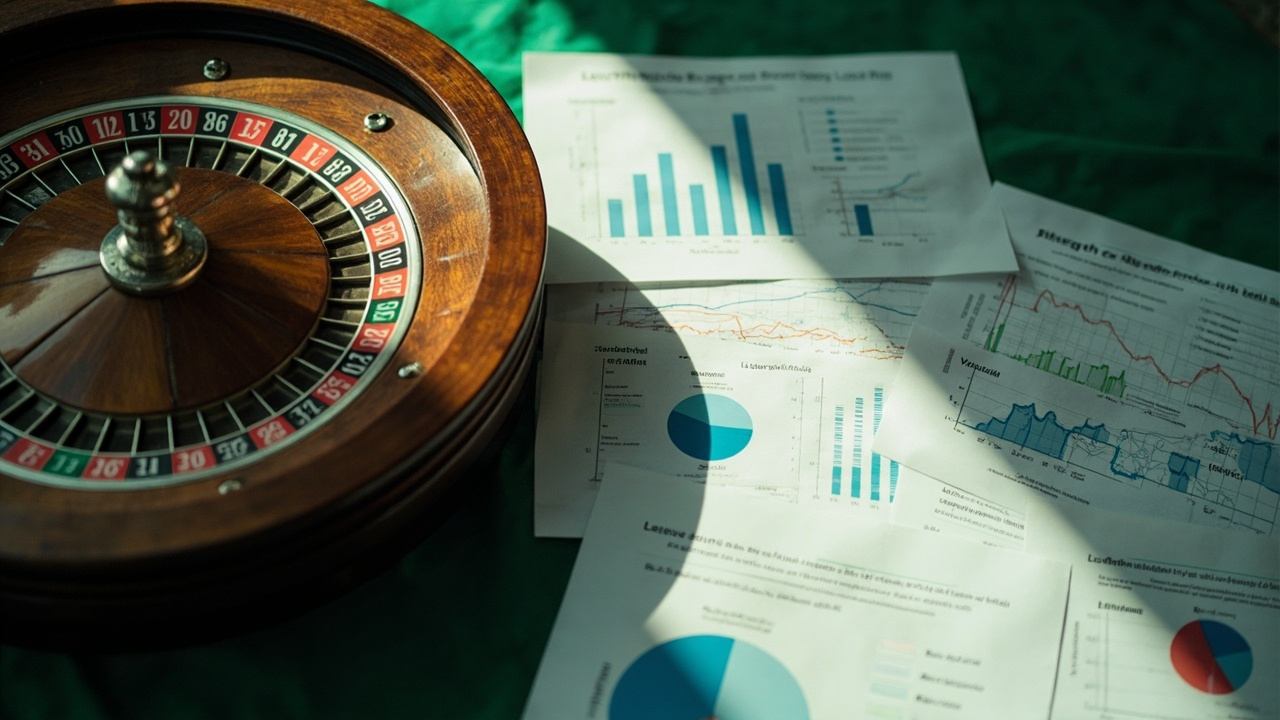
A decent keno pub usually leans on a mix that feels familiar without becoming flat. You will often find a core of video slots, a handful of table titles, and enough live or streamed content to break up the rhythm. The important part is how that mix sits together in the lobby itself. Search should be straightforward, categories should make sense at a glance, and the discovery path should not force you to dig through clutter just to find a live table or a keno board. When the lobby is organised well, the session feels natural rather than mechanical.
From a design point of view, the real test is whether the lobby supports different kinds of play without losing coherence. A player chasing a quick keno round should not have to wade past a wall of unrelated titles. Someone settling in for a longer session should be able to move between slots and tables without the whole screen feeling shuffled. That is where I tend to compare a venue’s layout to the kind of modelling work I do with Slot Designer. In that environment, every line of mathematics has to sit in a structure that is readable, testable, and consistent. A lobby that is genuinely well built works the same way: the categories are clear, the providers are visible, and the flow does not fight the player.
The Gold Coast angle matters here too. A coastal pub crowd is often after variety without fuss, and that means the lobby needs to feel open rather than crammed. A venue that gets this right will usually have a clean browsing path, a sensible split between fast-play and longer-session content, and enough provider variety to keep the session from feeling repetitive. When those pieces line up, the game mix reads as thoughtful rather than just busy. It also helps that the pace of a keno pub session suits the Gold Coast habit of dropping in for a bit, then stepping out for a walk or a meal. The lobby should support that kind of flexible visit, not demand a rigid one.
Pace, Conditions, and the Real Trade-offs
No venue is without conditions, and a keno pub is no exception. The pace is one of the first things you notice. Keno itself is a slower game than a live table, and that can be a strength if you want a steadier session, but it can also feel flat if the rest of the lobby does not carry enough momentum. The trade-off is simple: a calmer floor can be easier to settle into, yet it still needs enough movement to keep the session engaging. That is why the surrounding content matters just as much as the keno board itself.
You might find yourself tracking the numbers while the world outside seems to stand still. This particular blend of focus and leisure mirrors the rhythm found in many Australian regional hubs, a dynamic often captured in Meanjin literary reviews. Understanding that atmosphere helps you settle in before the first ticket is drawn.
The mathematics behind these choices is worth keeping in mind. When I build models for complex slot structure, the goal is never to promise a particular outcome. It is to understand how variance, pacing, and return patterns interact over time so the whole experience is coherent. A keno pub that respects that idea will usually be clear about how its games are presented, how the session length feels, and where the limits sit. You should be able to tell what kind of play you are walking into without having to guess.
There are also practical limits that shape the experience. State-level regulators set the broader expectations for how play is conducted, and that affects everything from signage to transparency. A venue that takes those expectations seriously will usually feel more settled than one that treats them as an afterthought. On a place like the Gold Coast, that local sense of accountability tends to matter because the crowd is often regulars who notice when a venue cuts corners. The upside is a more predictable session. The downside is that a calmer, well-run floor may not have the frantic energy some players mistake for excitement. If you are after a measured night out, that is a fair trade. If you want constant noise and constant action, you may find the pace a little quieter than expected.
Payment handling and registration should fit that same steady pattern. A good setup keeps the process straightforward, uses familiar currency, and does not make mobile access feel like a separate product. Support should be easy to reach when something needs sorting, and loyalty should reward regular visits without turning the whole experience into a points chase. None of that needs to be flashy. It just needs to work consistently, because consistency is what makes a keno pub feel worth returning to.
What a Measured Session Looks Like in Practice
When the session is running well, the details are usually small but noticeable. The keno board feels easy to follow, the surrounding games are easy to move between, and the lobby does not keep interrupting the rhythm. That kind of flow is harder to build than it looks. In my own work modelling slot mathematics, I have learned that small structural choices compound quickly. A clean layout, a sensible game mix, and a lobby that does not fight the player all add up to a session that feels settled rather than forced.
A keno pub that gets those choices right usually has a lobby that is easy to read at a glance. You can spot the live content, find the table games, and move back to keno without losing your place. The providers are visible enough to give you a sense of variety, and the search function does not make you work for it. That matters because a session should feel like a visit, not a puzzle. On the Gold Coast, where a lot of play happens in short, social bursts, that kind of clarity is especially useful. You can drop in for an arvo session, follow the pace you want, and step out without feeling like you have been steered through a maze. hellspins
The limits are still worth keeping in mind. A calmer floor may not suit someone chasing nonstop action, and the pace of keno itself will not suit every taste. A well-run venue will usually be clear about that rather than pretending the experience is something it is not. That honesty is part of what separates a solid keno pub from one that is just loud. If the lobby is organised, the game mix is balanced, and the conditions are easy to understand, the session has a good chance of feeling right for the kind of player who wants a steady night out.
Common Questions Before You Sit Down
How fast is a typical keno pub session?
A typical session moves at a steady pace rather than a fast one. Keno rounds are usually spaced out, so the experience suits players who want a calmer rhythm between other games or a quiet drink. That slower pace can be a plus if you like time to think, but it also means the rest of the lobby should carry enough variety to keep the visit interesting. If the surrounding content is thin, the session can feel longer than expected. Theroar
What should I look for in the lobby before playing?
Look for a lobby that is easy to browse and does not hide the main content. A good setup makes the game mix obvious, keeps search simple, and lets you move between slots, tables, and keno without much fuss. Provider variety helps, but organisation matters more than sheer volume. If you can find what you want in a few clicks and the categories make sense, the venue is usually doing the basics well.
Is a keno pub a good fit for a short visit?
It can be, especially if you want a social session that does not demand a long commitment. A well-run keno pub usually supports short drops-in as well as longer stays, so you can play at your own pace and leave when you are ready. The key is whether the floor feels settled and the game mix suits a flexible visit. If it does, a short session can feel relaxed rather than rushed.